
New-build home inspection: what we check before you get the keys
You bought a home off-plan. After two years of building work, the developer finally calls: the house is finished and they want you to come and sign the handover. It is a happy day, but it is also the moment when you have the most at stake, because anything that isn’t noted that day is much harder to claim later.
That is why, before you sign, an architect inspects the home for you, top to bottom, and gives you a report listing every defect so the developer repairs them before handing you the keys.
What we check
We check everything that can be seen, touched and tested. It isn’t a quick look: we open every tap, test every socket and close every window.
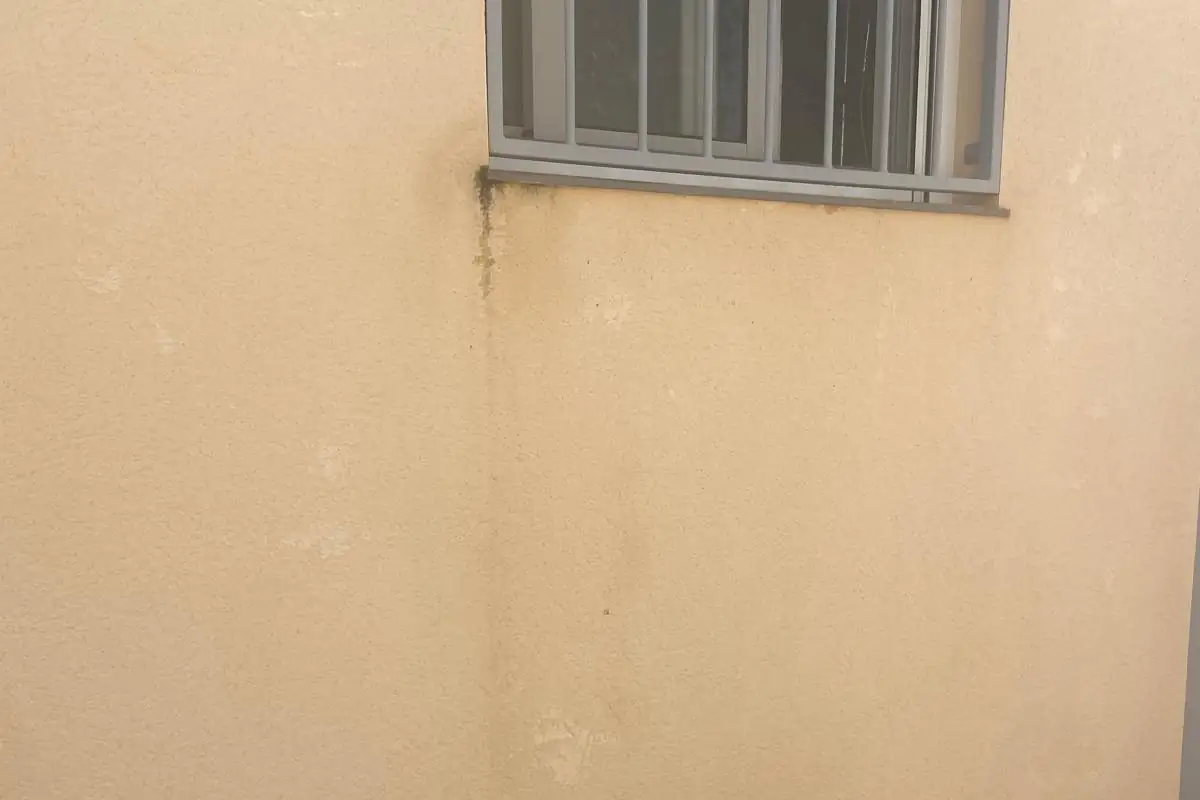
1. Structure and façade
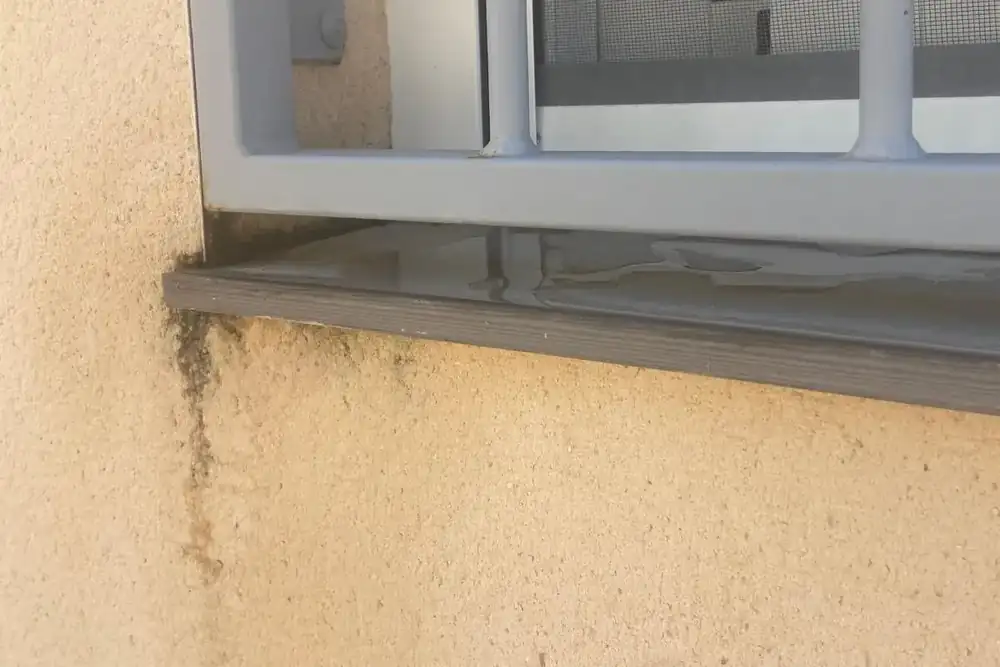
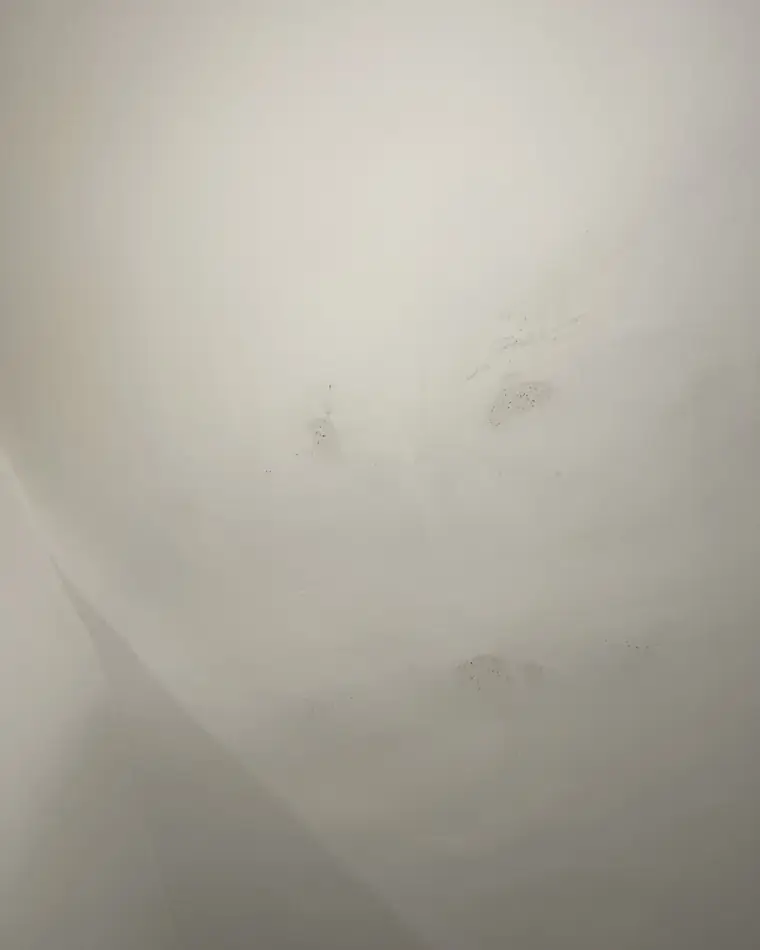
Cracks in walls and ceilings, cracks in the façade, damp stains and leaks. With the thermal camera we also see where insulation is missing or there are thermal bridges.
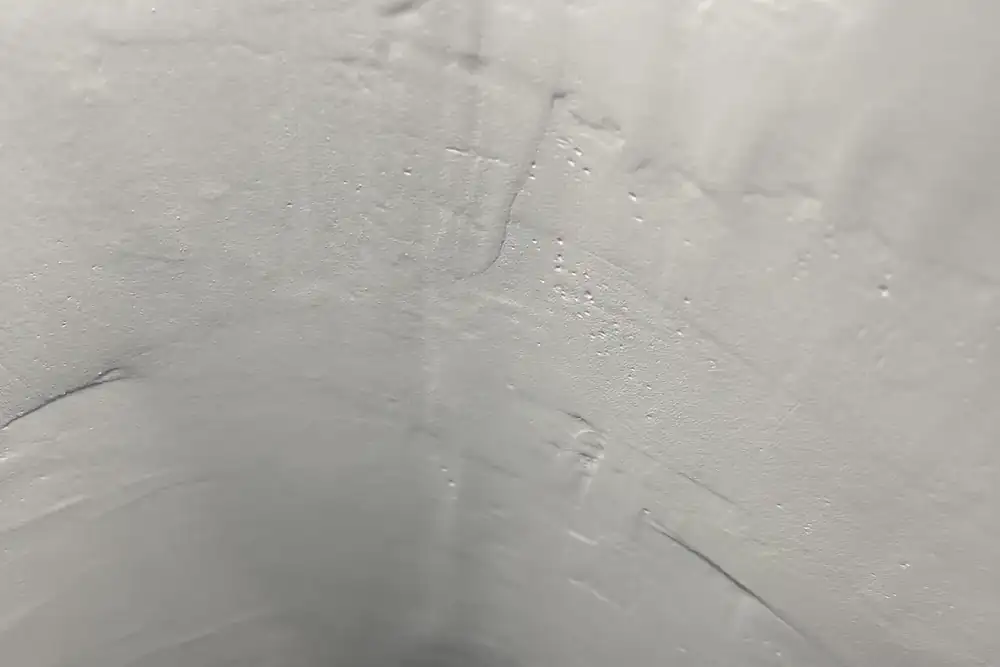
2. Walls, ceilings and floors
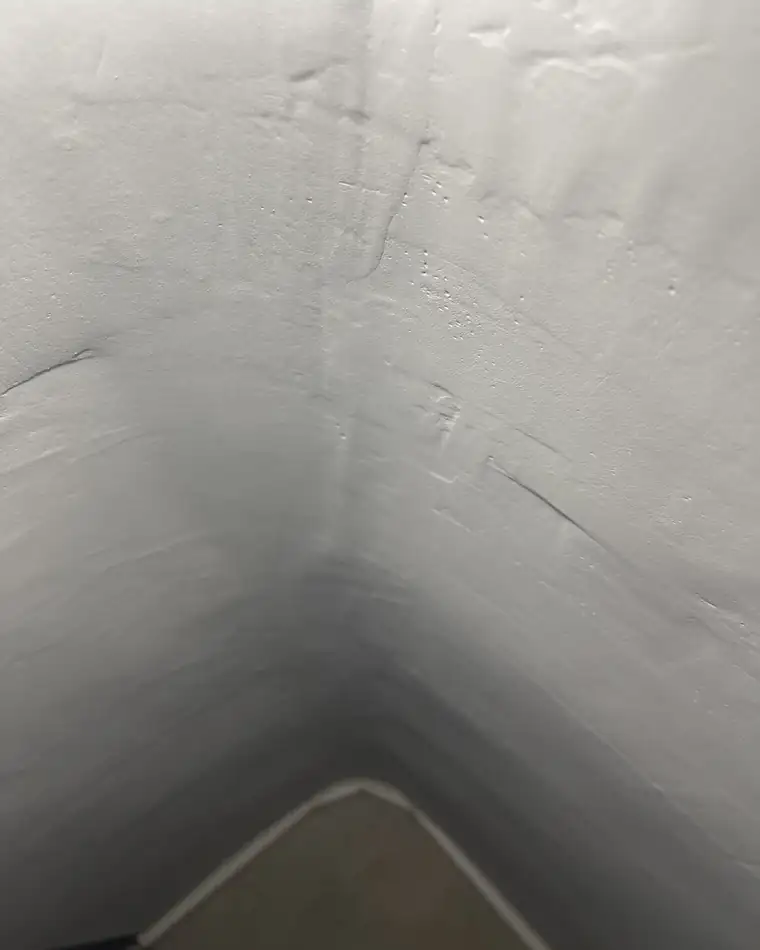
That they are flat and straight, with no dents, waves or hollow or cracked tiles. We look with raking light, which reveals what you can’t see head-on.
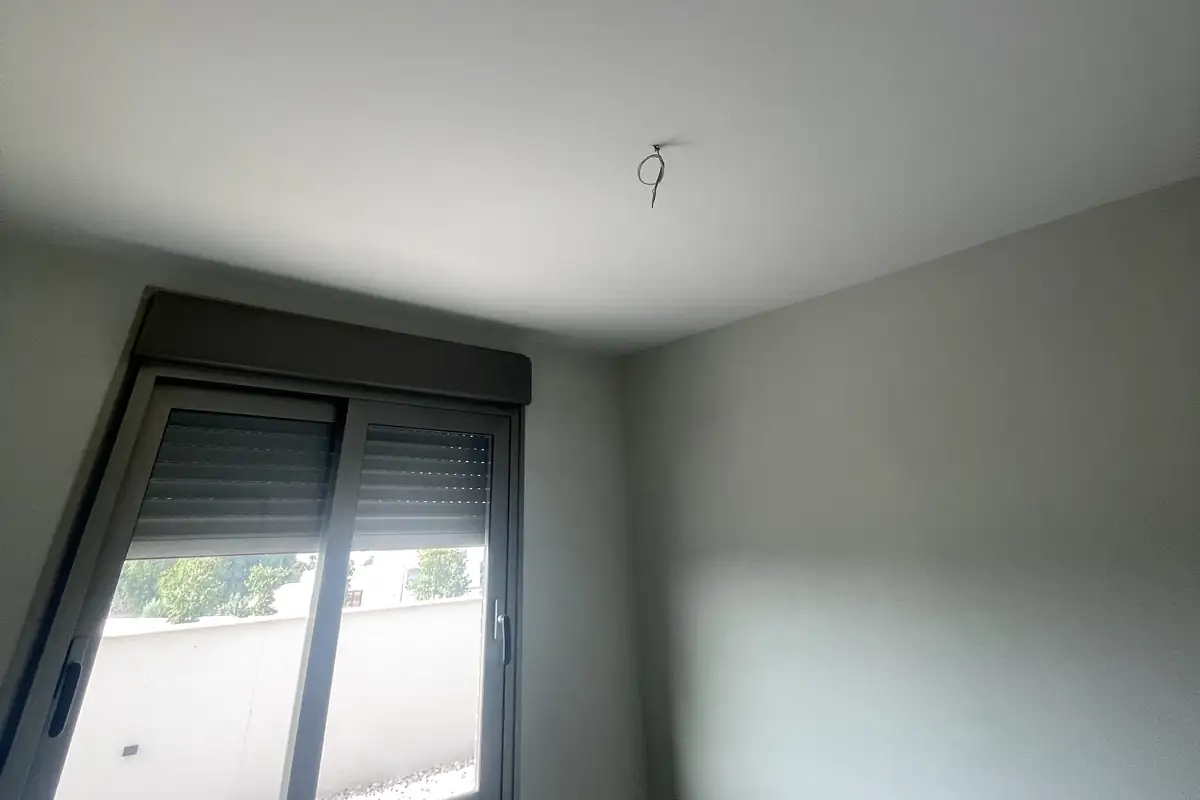
3. Doors and windows
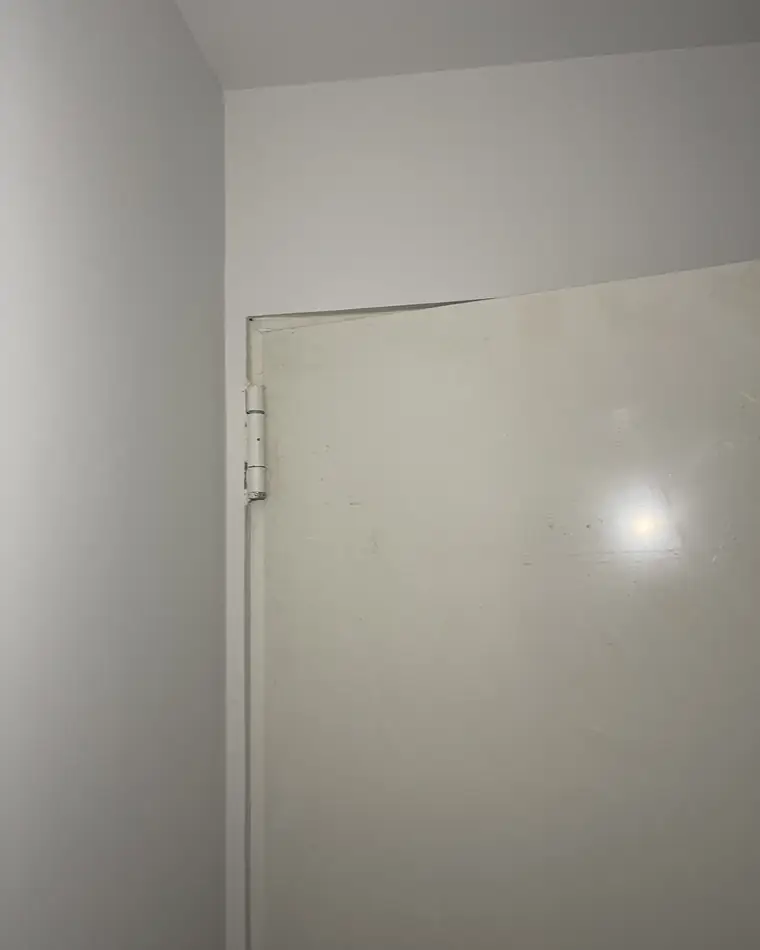
That they open and close properly, do not rub, have even gaps, that the shutters go up and down and that no water gets in. The thermal camera also shows air leaks around the frames.
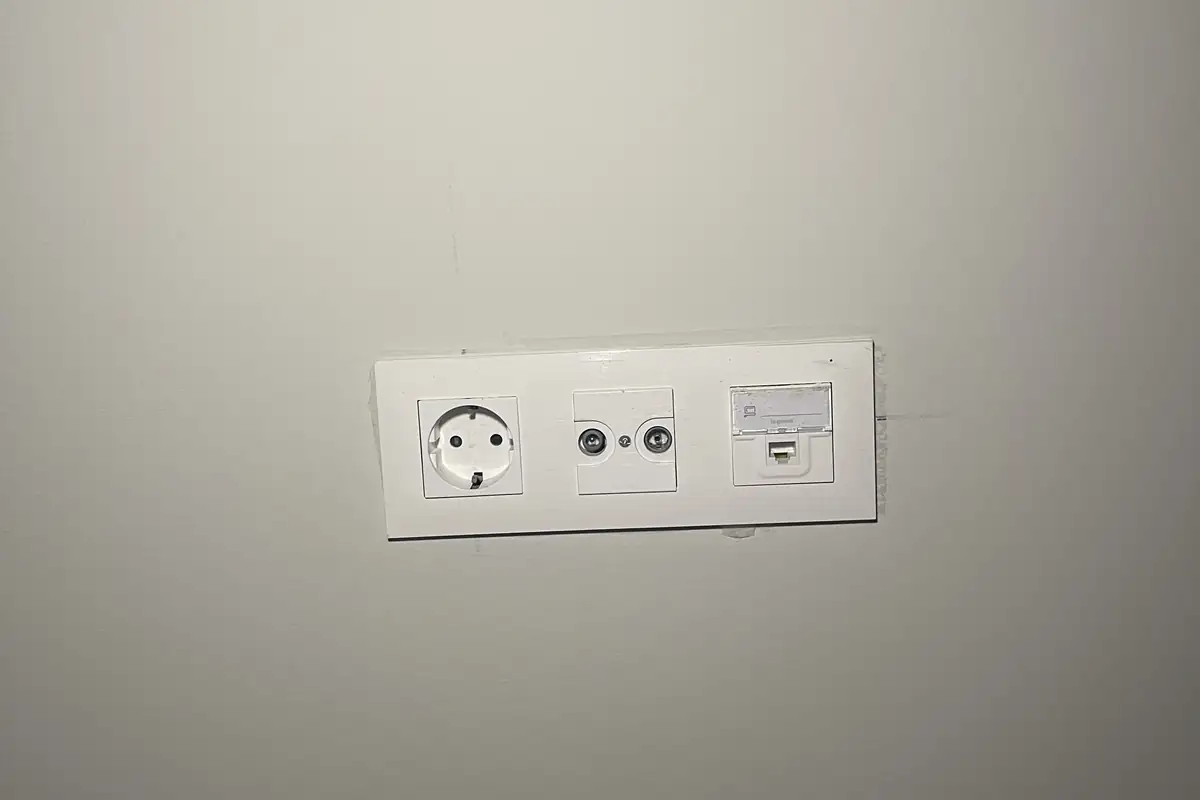
4. Electrics
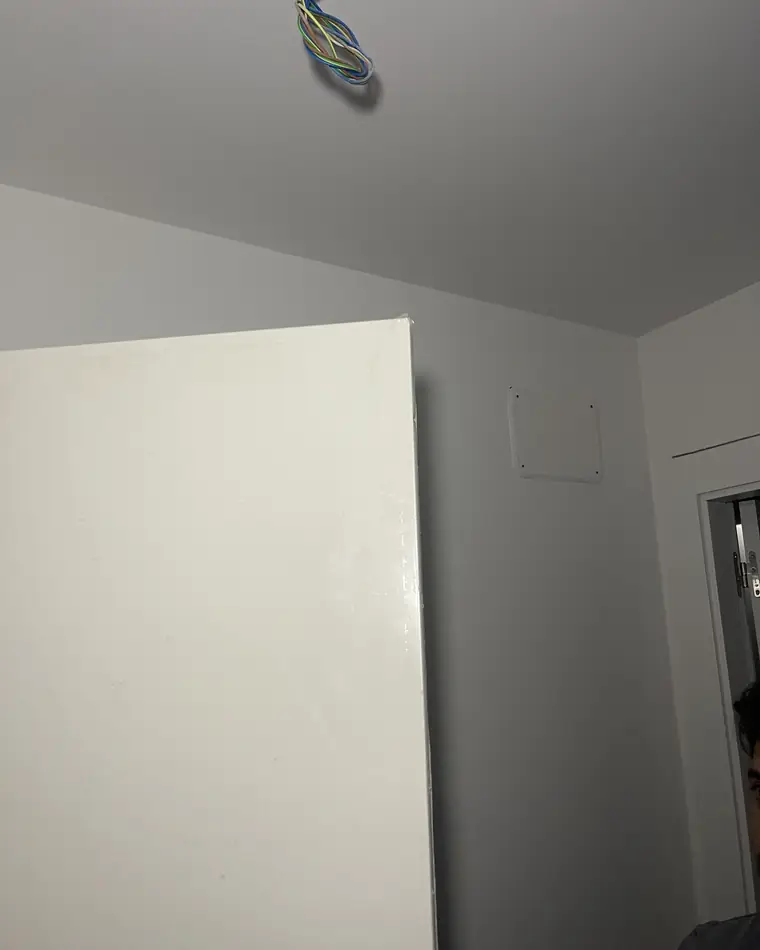
We test every socket with a tester, the consumer unit and the RCDs, every light point, the doorbell, the entry phone and the TV sockets. In the consumer unit, the thermal camera picks up connections that are overheating.
5. Plumbing and drainage
Pressure and flow at every tap, leaks, drains that empty properly, traps and no bad smells. If there is underfloor heating, the thermal camera traces the pipes and gives away any leak.
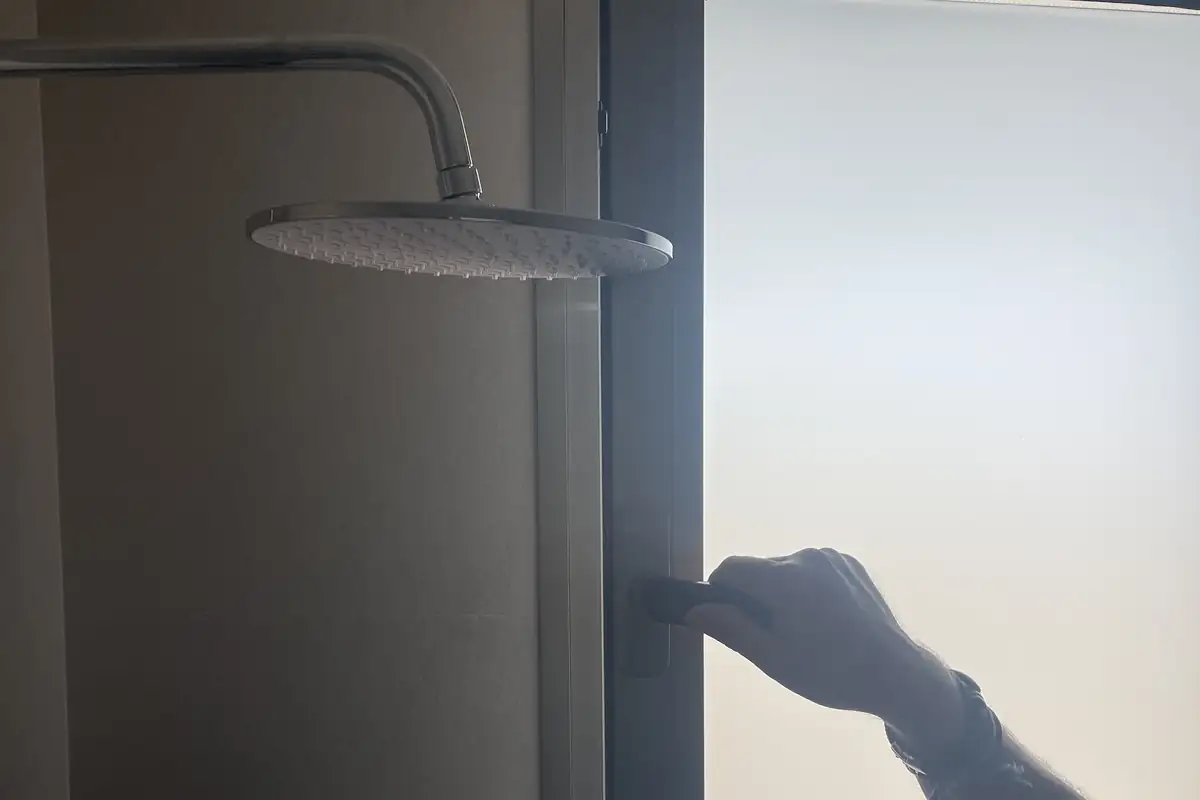
6. Kitchen and bathrooms
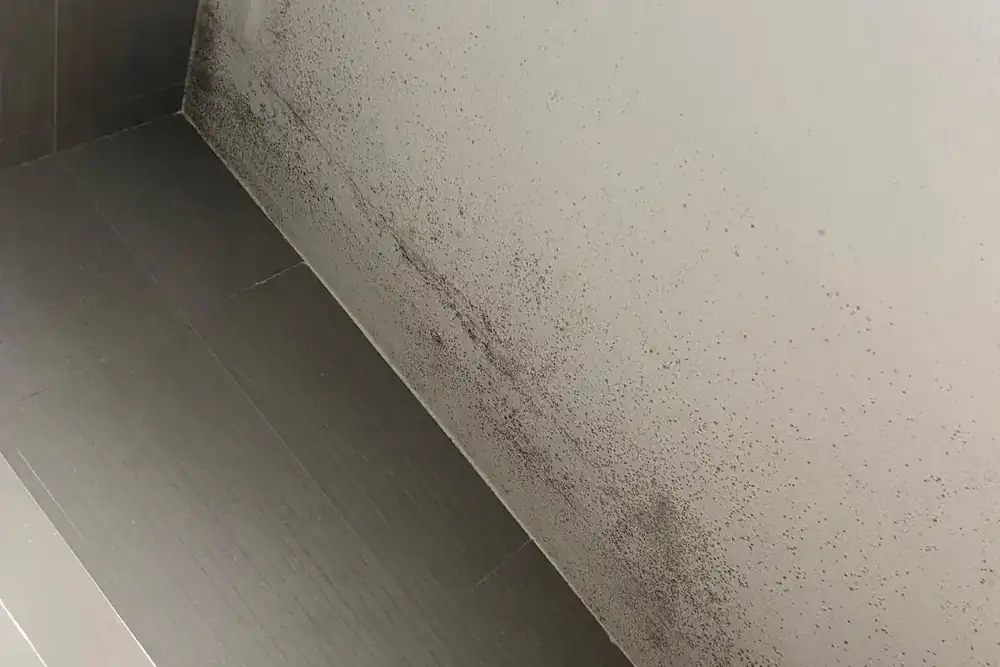
Taps, firmly fixed sanitary ware, shower screens, silicone seals and units. Around shower trays and baths we measure the damp in the wall.
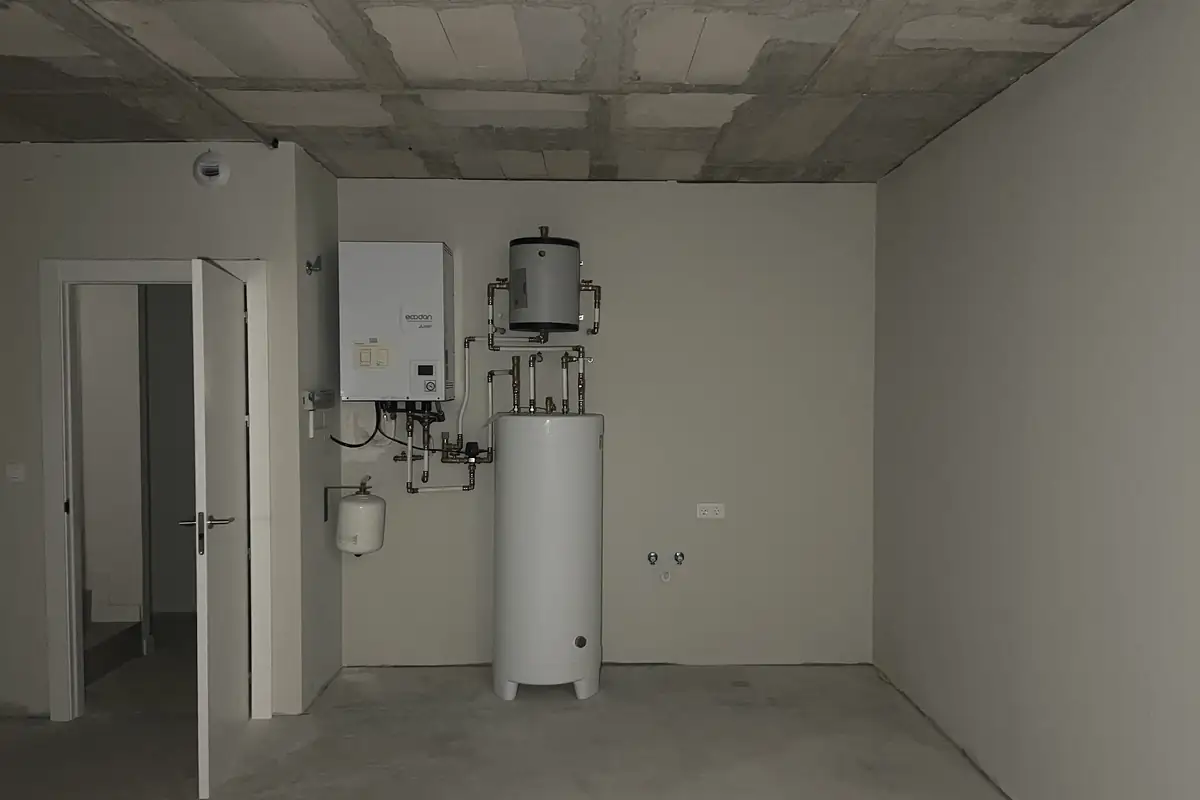
7. Heating, cooling and hot water
That the heat pump, the air conditioning and the water heater work, and that the units are properly installed.
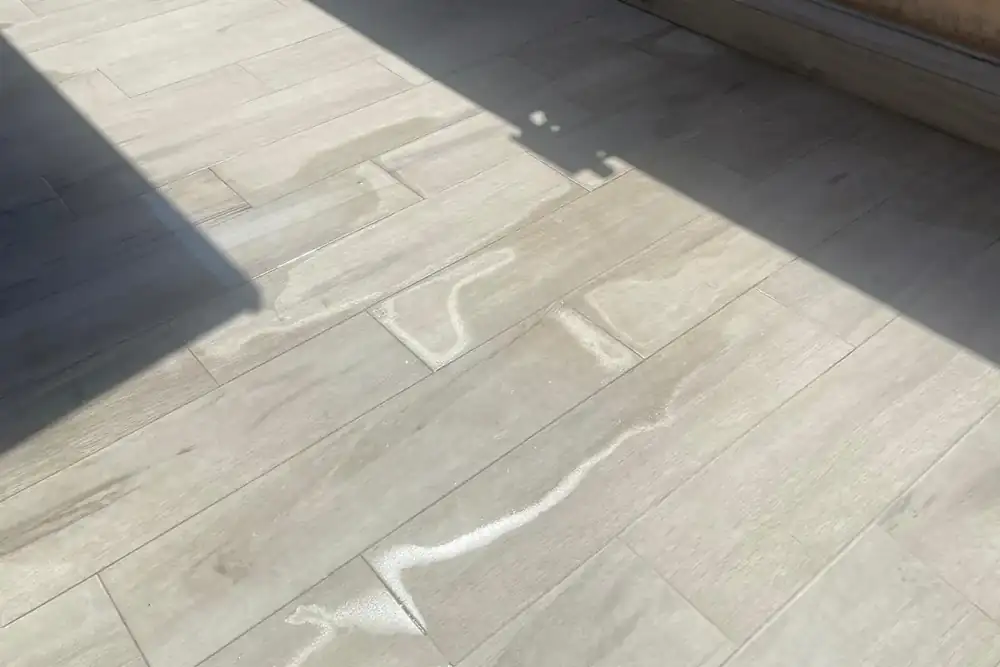
8. Terrace, roof and pool
Falls so water does not pool, waterproofing, railings, and in the pool the shell, the filter system, the lights and any leaks. We check the ceilings below for damp.
9. Paperwork
That what has been built matches the specification in your contract, and that you are given the paperwork: first occupancy licence, installation certificates, energy certificate and guarantees.
What we use to check
As well as looking, touching and testing, we bring three instruments that reveal what cannot be seen with the naked eye.
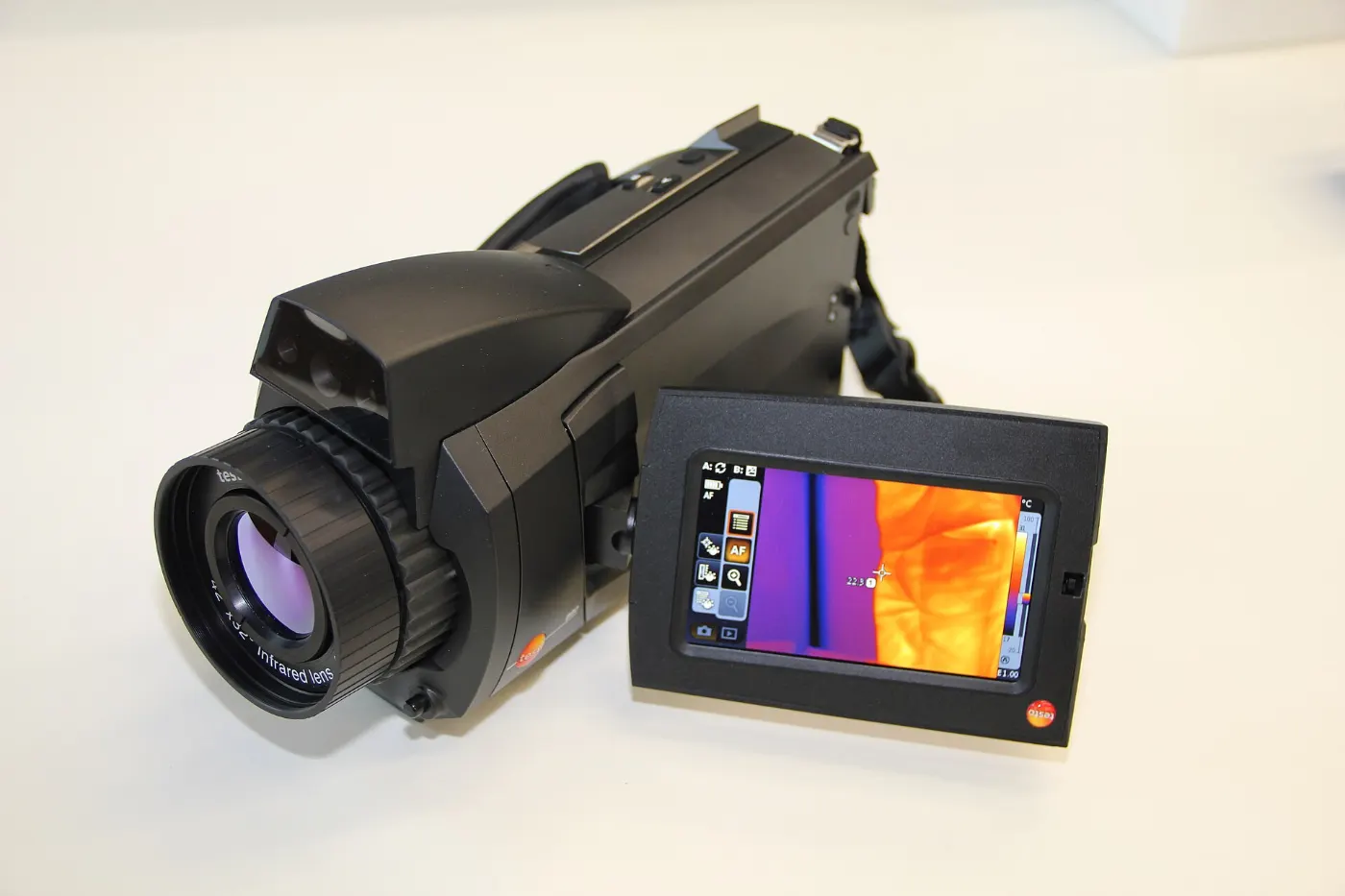
Thermal camera
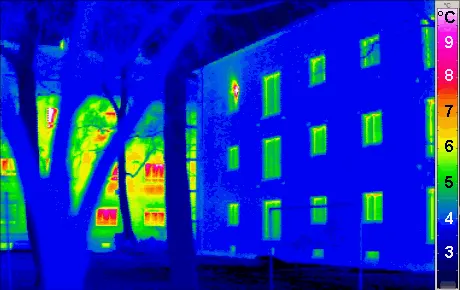
It shows the temperature of every point on walls, ceilings and floors. That is how we find areas without insulation, thermal bridges, air leaks at windows and hidden damp, which shows up colder than the rest.
Moisture meter
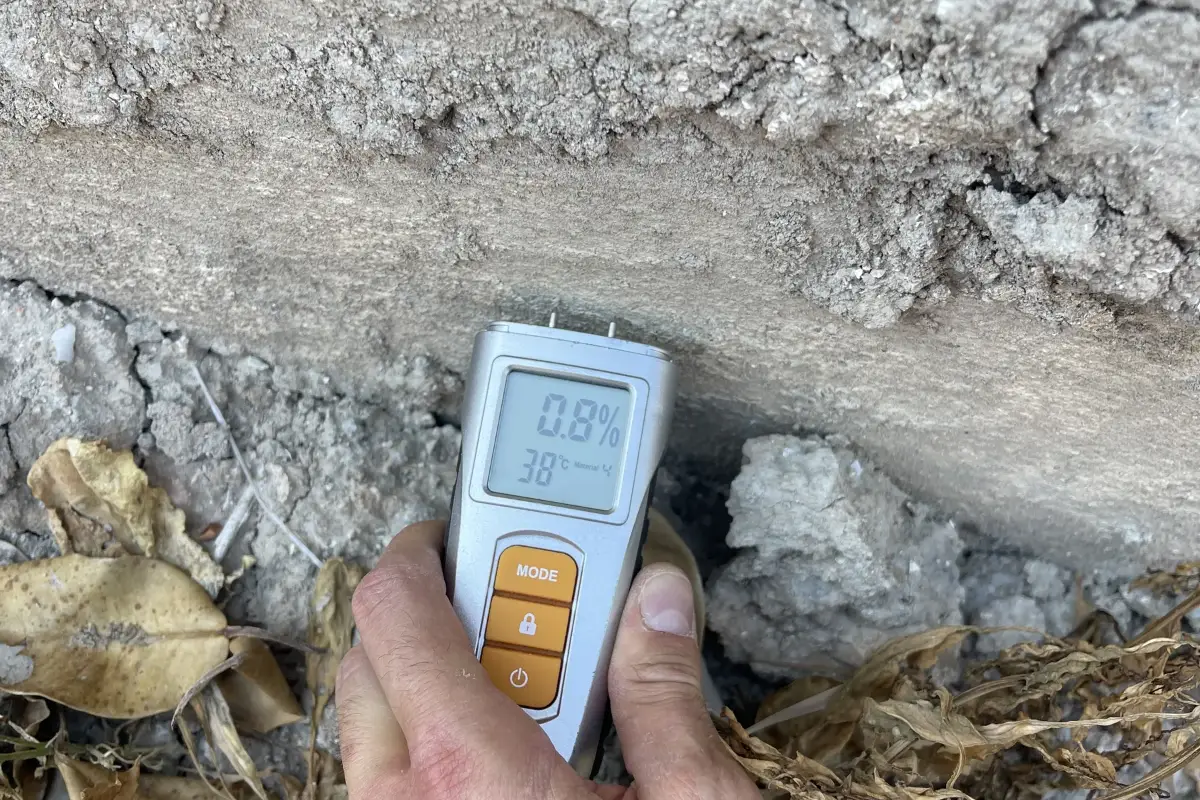
When we see a stain, or the thermal camera shows a cold spot, we check it with the moisture meter. That way we know whether it really is damp and how much, and we record it in the report with its reading.
Electrical installation tester
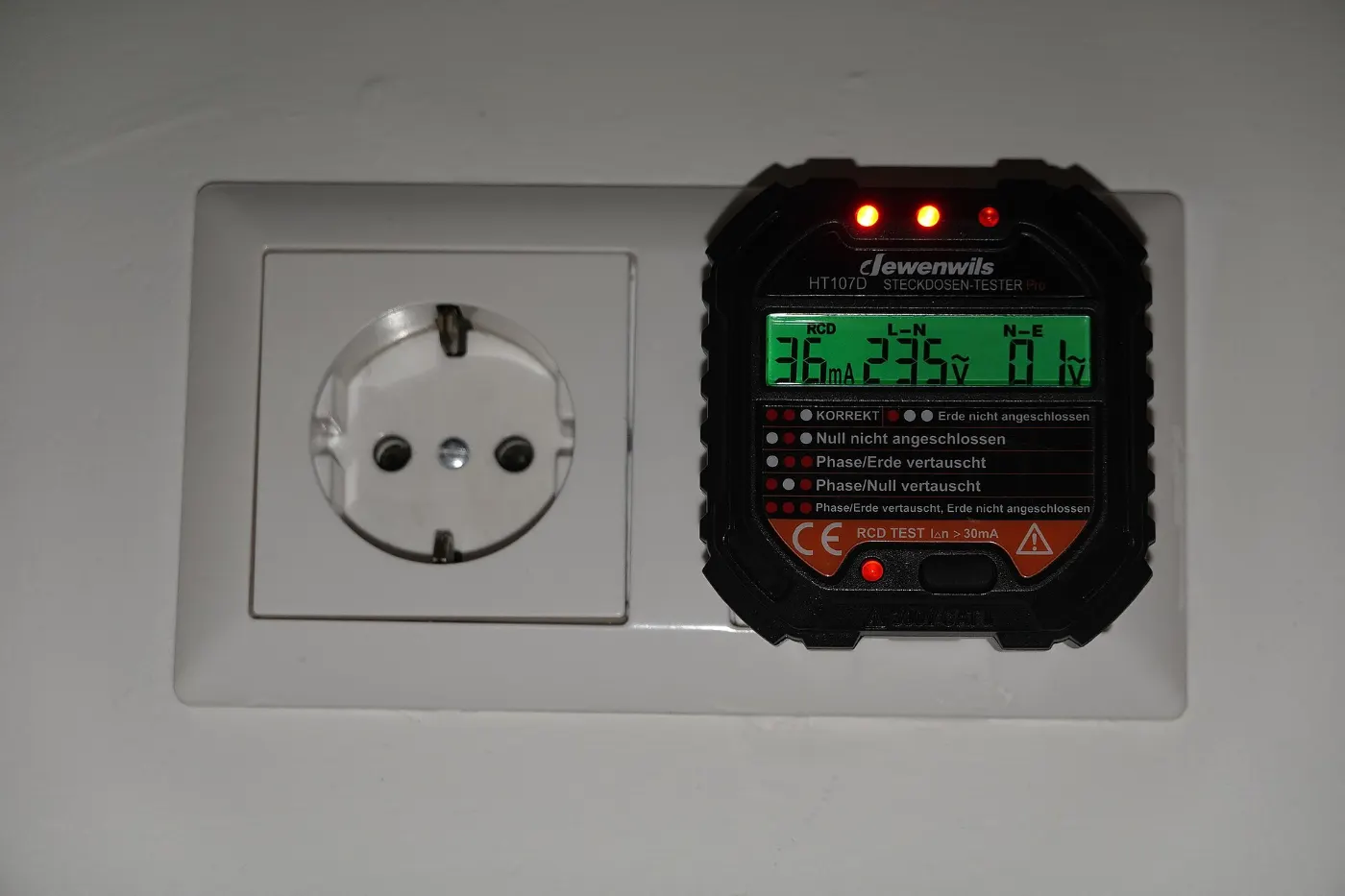
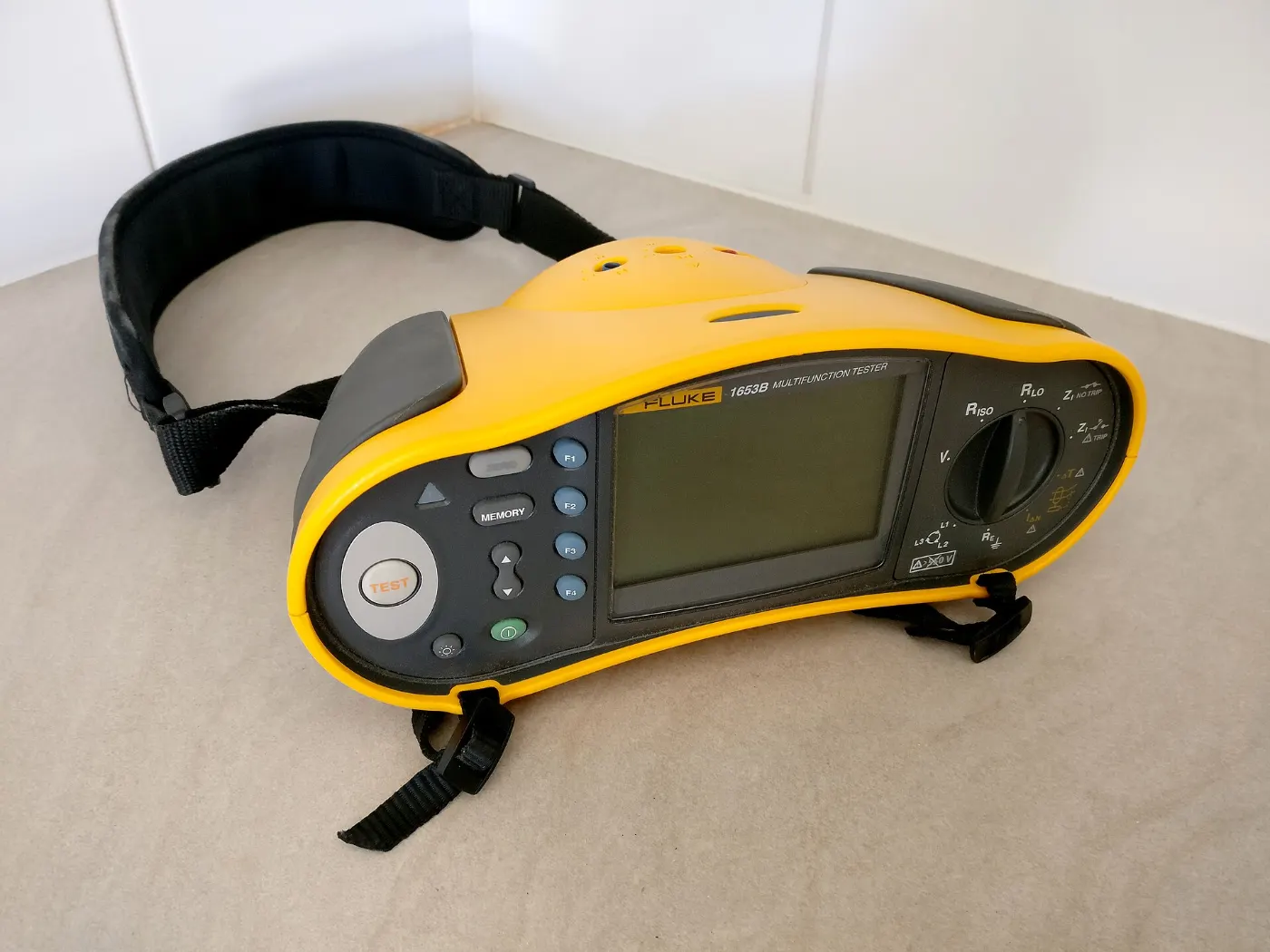
We test the sockets with a tester that shows whether they are wired correctly and earthed, and we check that the RCDs trip when they should.
When thermography works best
The thermal camera needs a difference of about 10 ºC between inside and outside. In winter that is easy; in summer we measure first thing in the morning or with the air conditioning on for a while beforehand.
Real defects we have found
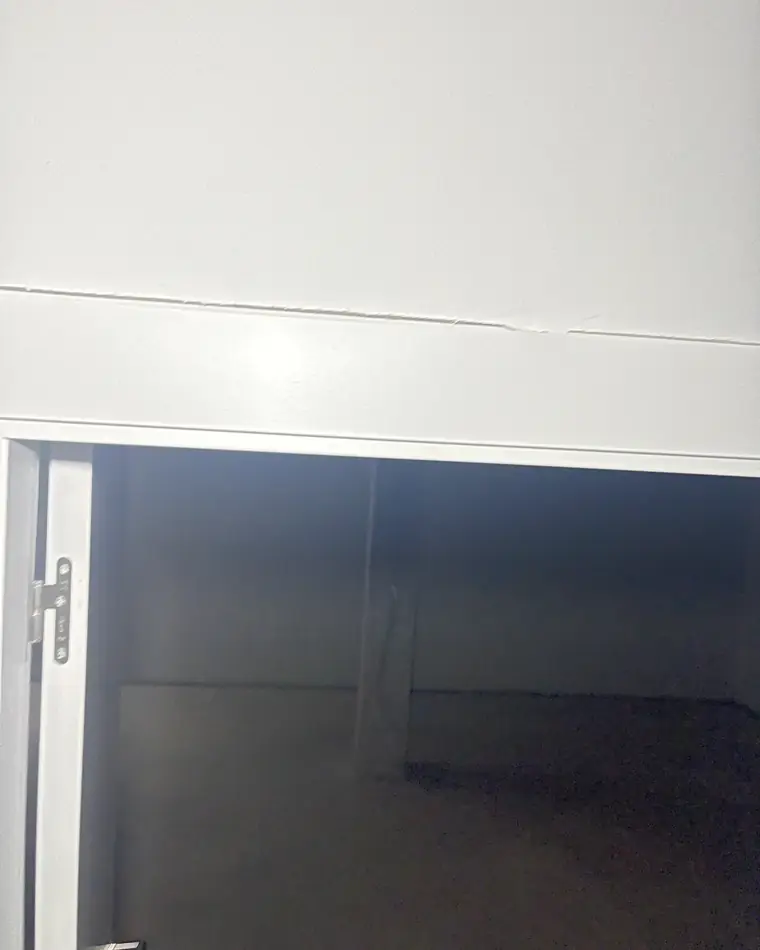
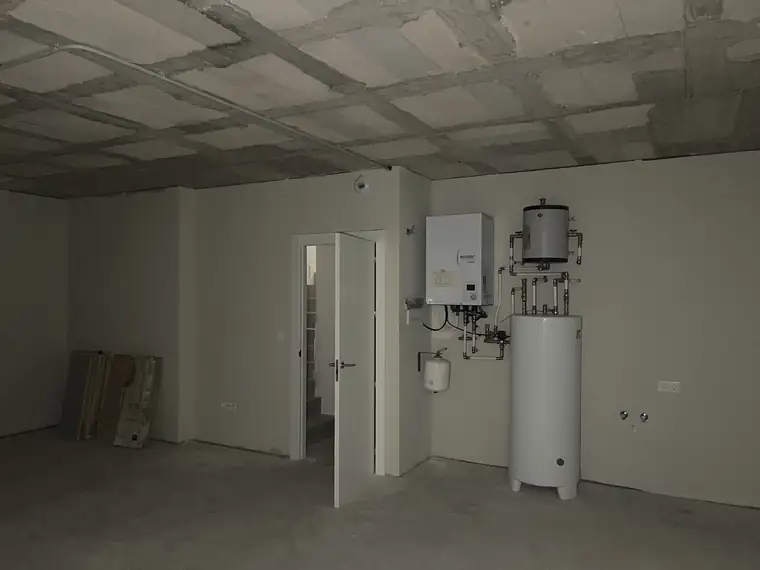
These photos are from one of our inspections of a new-build home. None of these defects is serious, but they all need repairing before handover, and that is much easier to get done if they are in writing on the day.
How we do it
- You send us the paperwork. The contract, the specification and the plans. That way we know what you should be getting.
- We visit the home. About two or three hours, depending on the size. If you like, you come with us and we explain as we go.
- We give you the report. Every defect with its photo, where it is and how important it is. Written so that anyone can understand it, including the developer.
- You give it to the developer. You attach it to the handover record, or we send it for you, so they repair it.
- We check again. When they say it has been fixed, we come back and check that it really has.
Sign the handover “with reservations”
If there are defects when you receive the house, don’t sign a record saying everything is fine. Write on it that you accept it with reservations and attach the report. It is your best proof that the defects were there from day one.
What the law says
Spain’s Building Act (Ley de Ordenación de la Edificación) protects the buyer of a new home for years, depending on the type of defect:
Watch out for one detail: once damage appears, you have two years to make your claim. The sooner it is documented, the better.
What if there are lots of defects?
Usually the developer carries out the repairs. But if they don’t, or the defects are serious, the path is still straightforward and we take it with you:
- Written claim. A certified letter (burofax) to the developer with our report and a deadline for repairs.
- Expert report. If needed, we turn the inspection into an expert report, with a valuation of what each repair costs.
- With a lawyer. We work with lawyers who handle the legal side. We defend the technical side, in court too if it comes to that.
How much does it cost?
For a normal-sized home, €350 + VAT. If it is larger or has a pool and garden, we give you a fixed price before we go, with no surprises. It almost always costs far less than a single one of the defects we find.
About to receive a new home?
Write to us as soon as you have a handover date. With a week’s notice we have time to read the contract and arrange the visit. We also inspect homes that have already been handed over, if problems have started to appear.
You will find all the details on our service page for new-build home inspection. You can write to us from the contact page or on WhatsApp at +34 633 39 85 44.
Cover photo: Mark Owen Wilkinson Hughes on Unsplash. The photos of each section and of the damp are ours, from real surveys and inspections; the photos of the equipment (thermal camera and electrical testers) are from Unsplash and Wikimedia Commons, credited under each one.
Further reading
- Spanish Building Act 38/1999 (LOE), articles 17 and 18: liability and guarantee periods.
- Royal Legislative Decree 1/2007, General Consumer Protection Act.